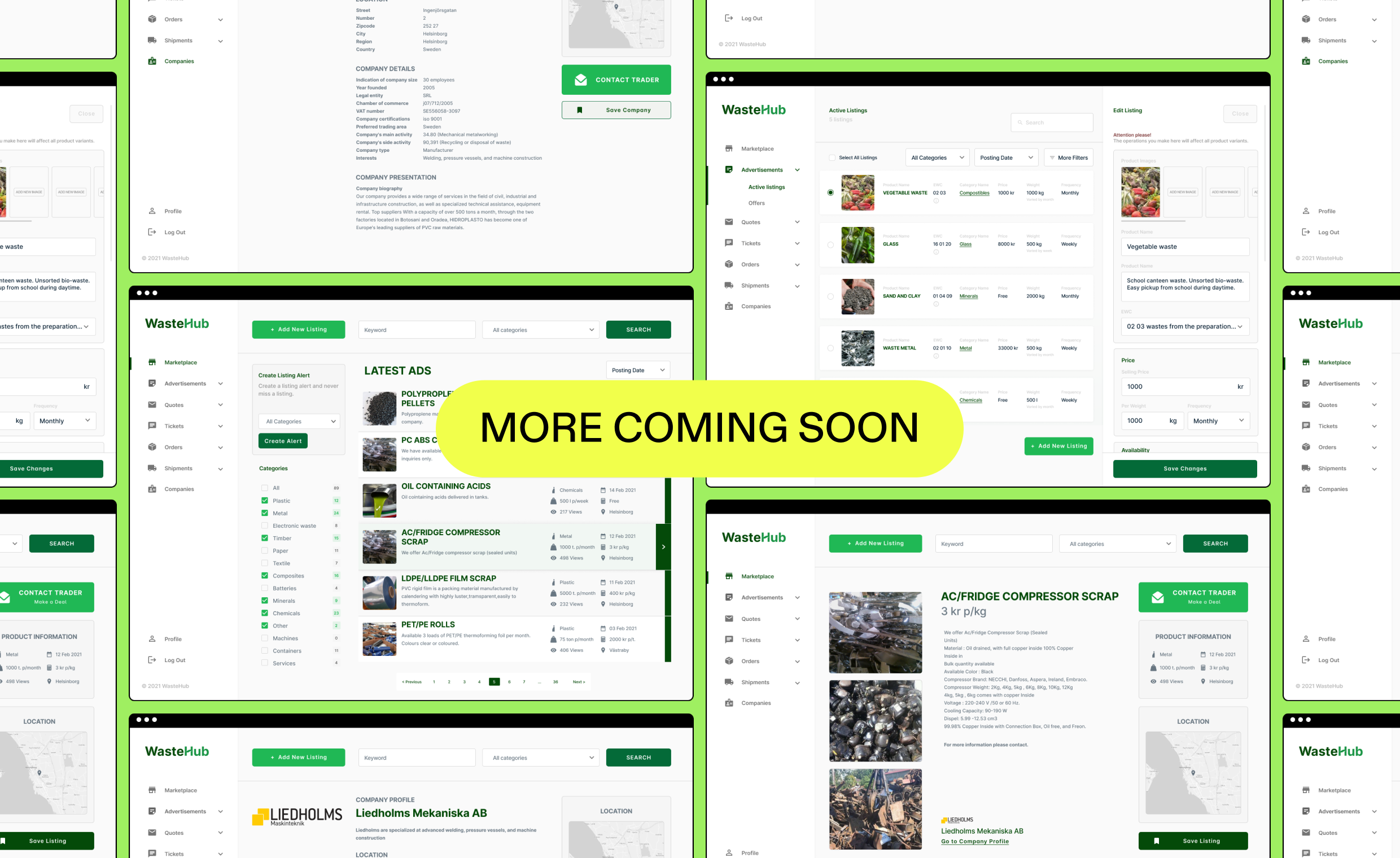
WasteHub —
Industrial symbiosis – One company's waste can become other company's resource.
2021
![]()
![]()
![]()
![]()
![]()
![]()
![]()



— The Client
Helsingborg Municipality (Helsingborgs kommun) is a municipality in Skåne County in Sweden. Its seat is located in the city of Helsingborg, which is Sweden's eighth largest city.
H22 is a major initiative by Helsingborg to develop future welfare solutions aimed at improving quality of life in a smarter, more sustainable city. H22 is for everyone living, working and visiting the city of Helsingborg.
H22 is a major initiative by Helsingborg to develop future welfare solutions aimed at improving quality of life in a smarter, more sustainable city. H22 is for everyone living, working and visiting the city of Helsingborg.
— The Challenge
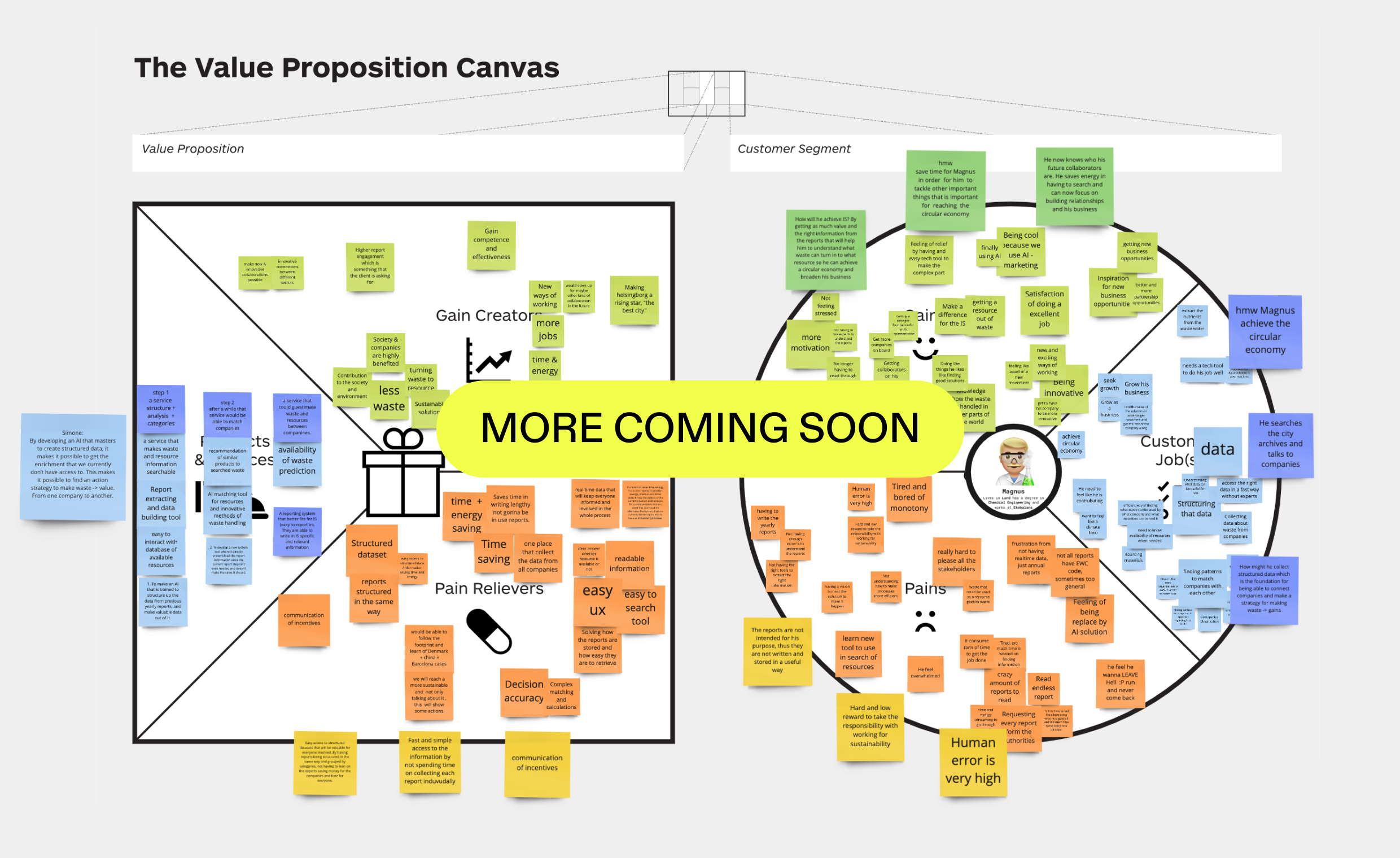
As part of it’s Business Program, the Climate and Energy Plan, the Plan for Circular Economy, the Regional Waste Plan and the Quality of Life Program, the municipality of Helsingborg aims that the exchange between the city's companies can increase and the waste can be reduced on a large scale. The project aims to promote cooperation within the Helsingborg Family.
— The Solution
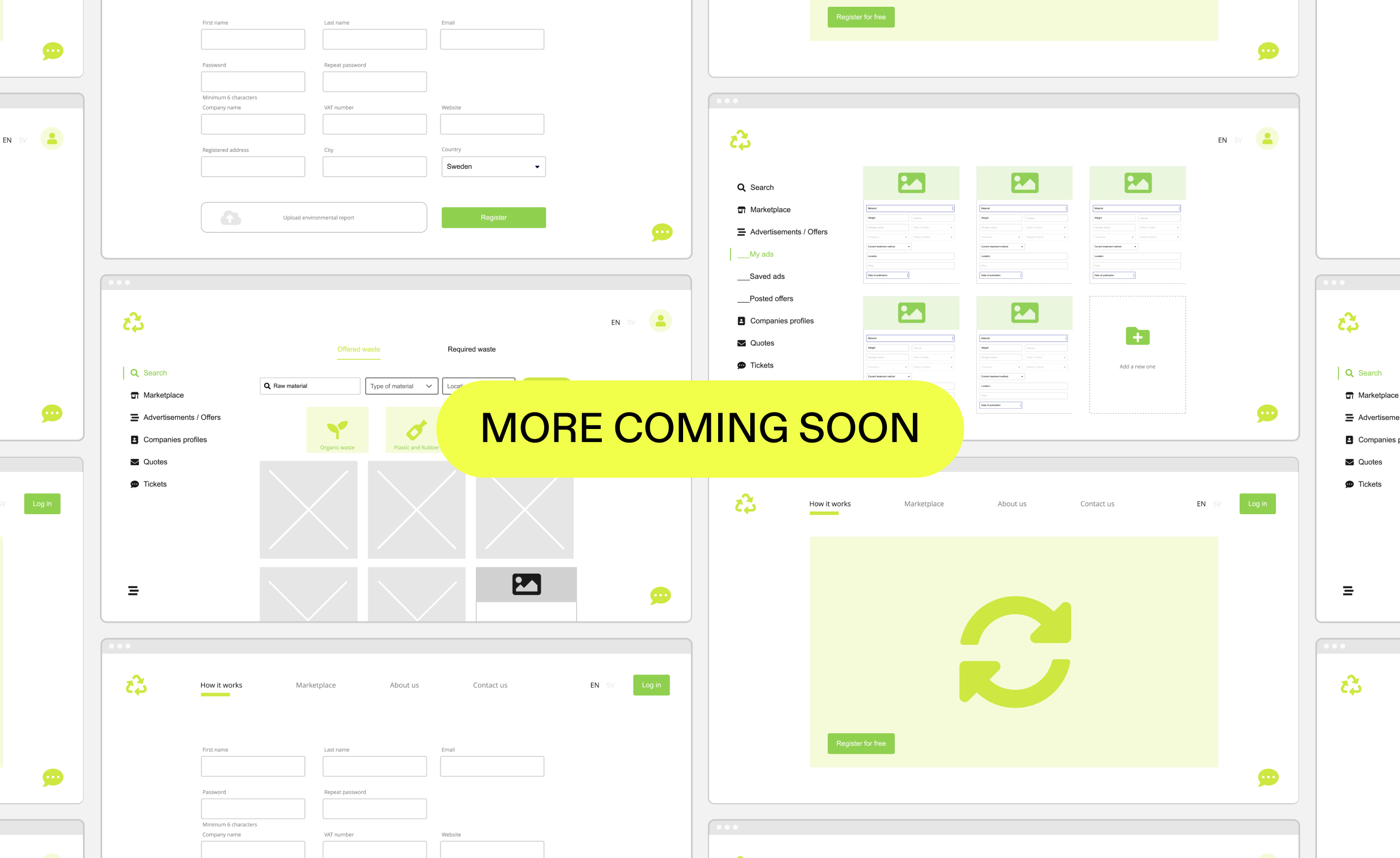
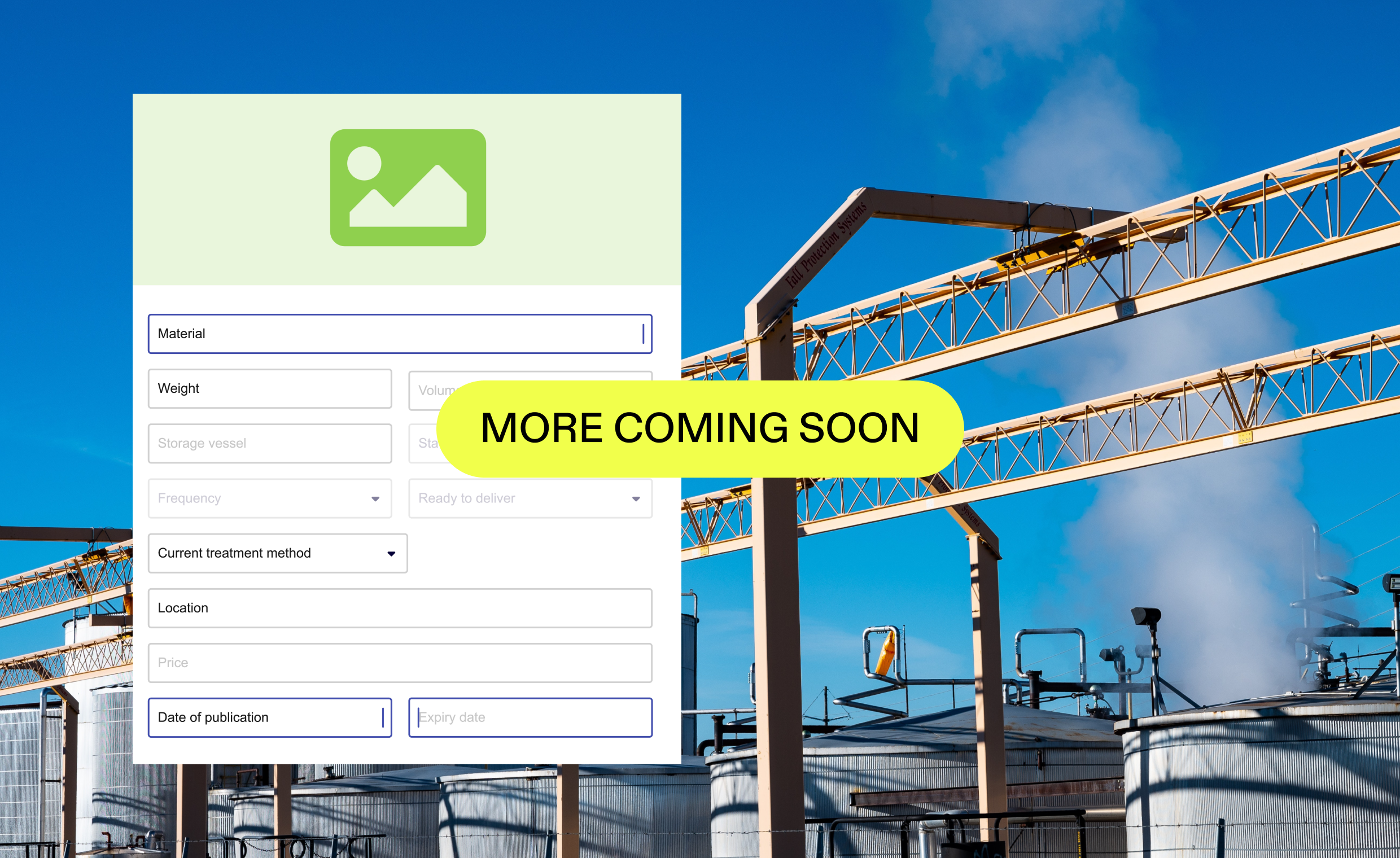
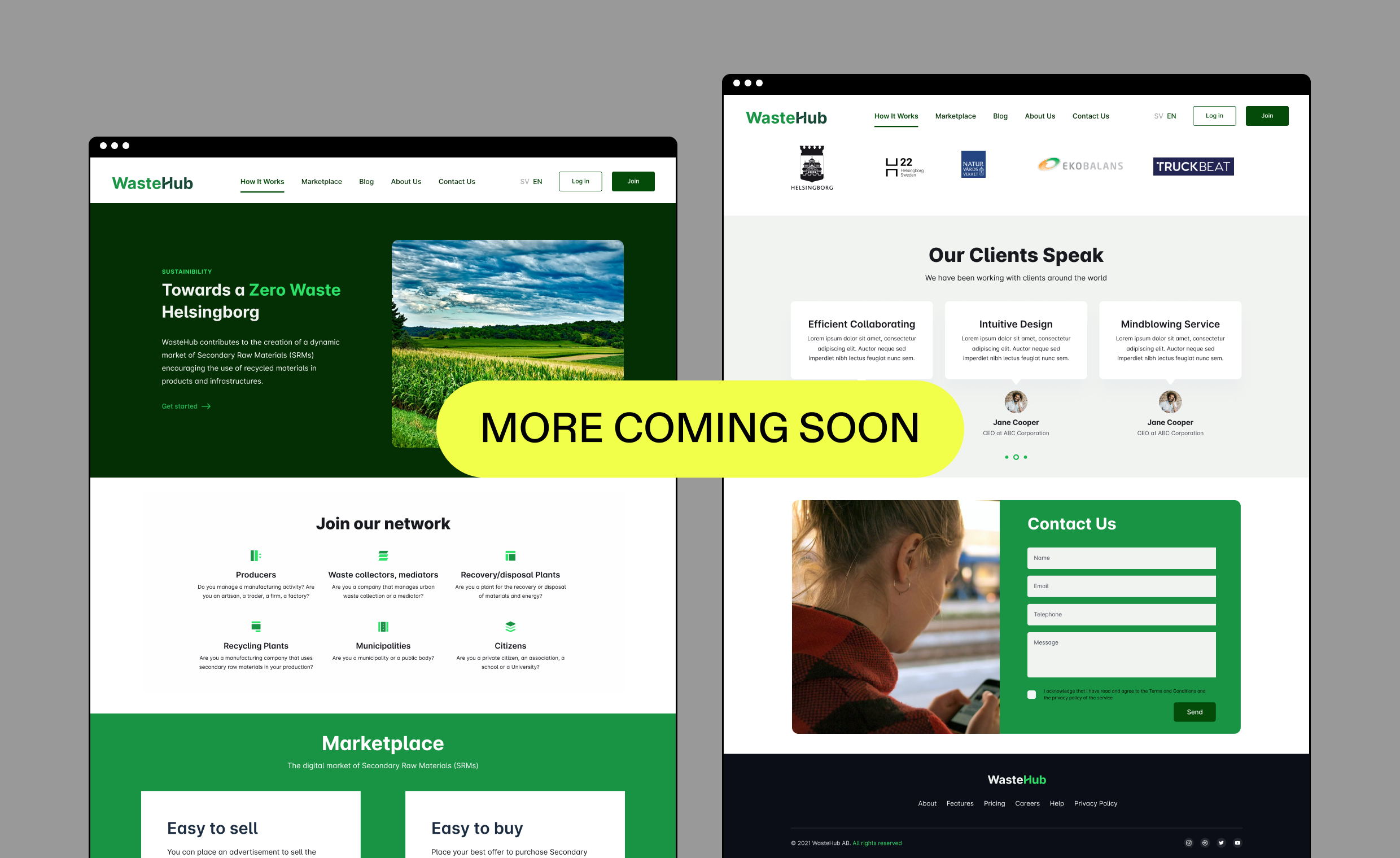
By creating an open marketplace, where the information about the companies' residual waste made digital and searchable for other companies. A review of public environmental reports from around 40 companies in the Helsingborg area will be analyzed to see if a win-win situation could arise in the Helsingborg Family. The aim of the initiative is to identify where one company's waste can become another company's raw material and initiate connectivity between different players within the Helsingborg Family.
— Step 1
Digitizing the envioromental reports and creating an acceable database.
Digitizing the envioromental reports and creating an acceable database.
— The Source
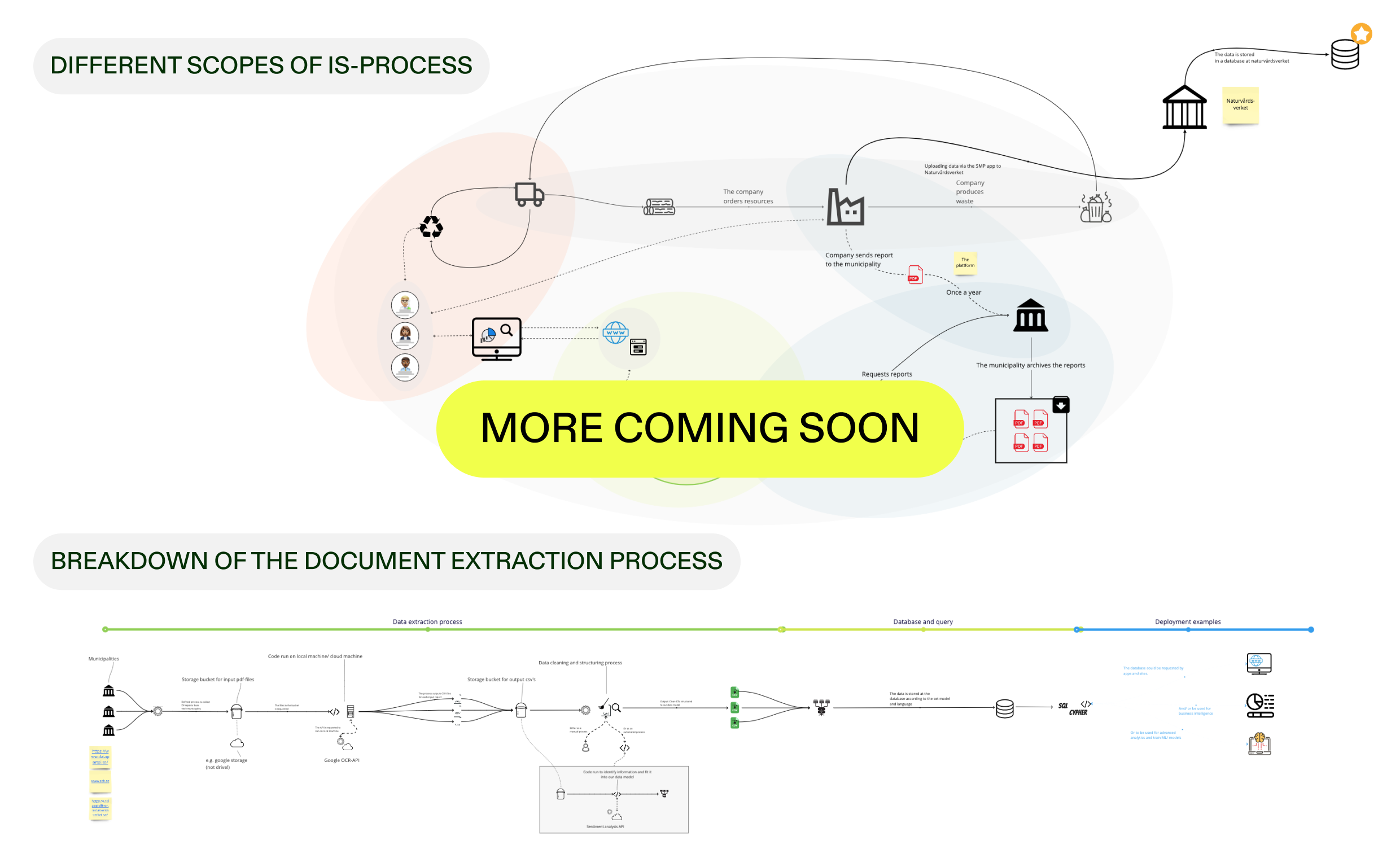
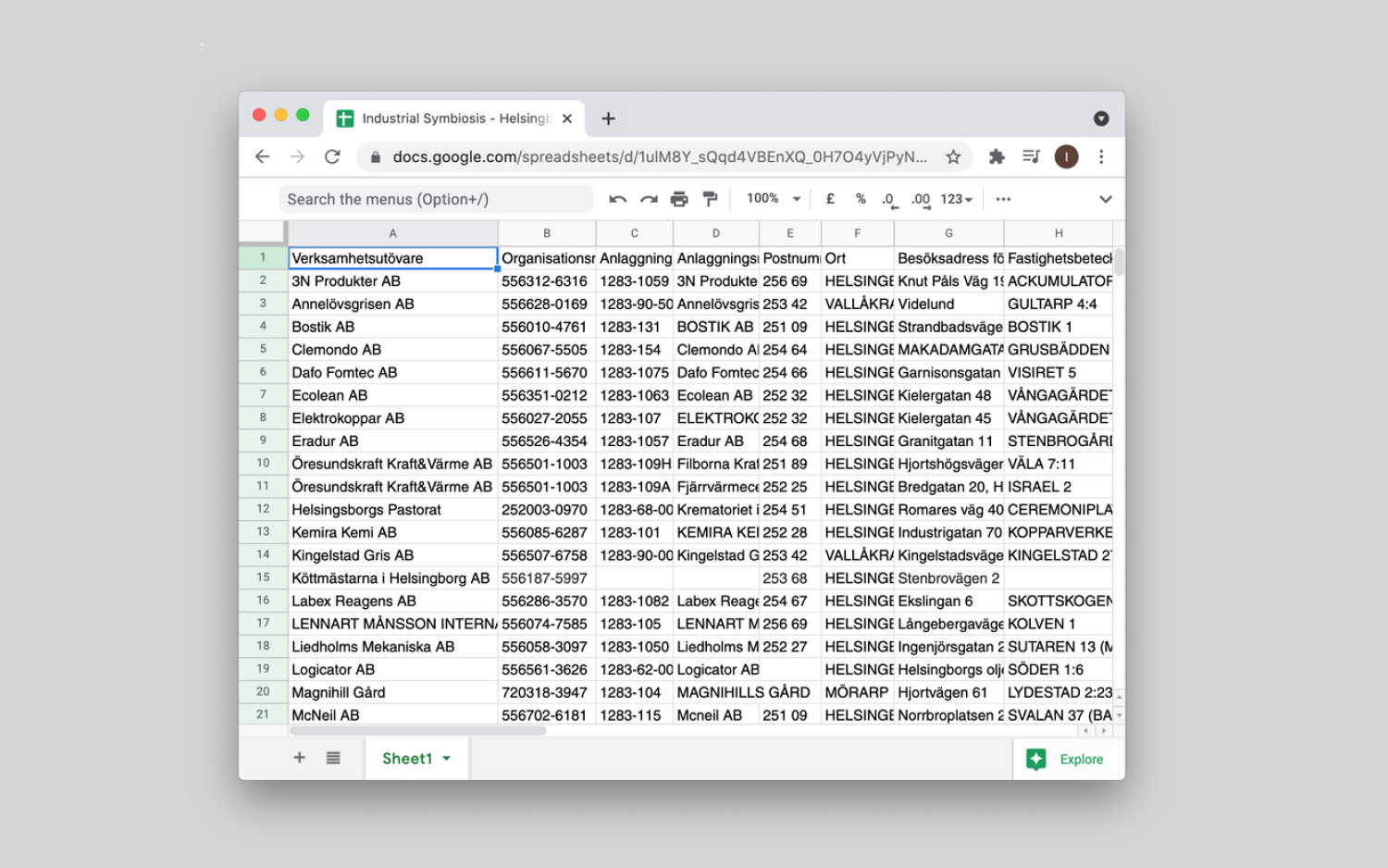
The environmental reports of 40 companies with A and B class operations within the Helsingborg community were collected. These reports are the ones sent to the environmental agency, the reports are unstructured PDF and often include scans of hand-written reports.
By using natural language processing (NLP), the reports have been processed to a structured database that include the data presented in the yearly reports.

— Step 2
Analyzing the possible connectivity between different players based on the data.
Analyzing the possible connectivity between different players based on the data.
Using Neo4J and graph data the data was analyzed for possible connections between the different companies.
Due to lack of data points (such as frequency and constancy of the reporting), it was decided that further steps are needed to enable connectivity between different companies in the Helsingborg family.
Due to lack of data points (such as frequency and constancy of the reporting), it was decided that further steps are needed to enable connectivity between different companies in the Helsingborg family.
— Step 3
Creating a marketplace for a circular economy.
Creating a marketplace for a circular economy.
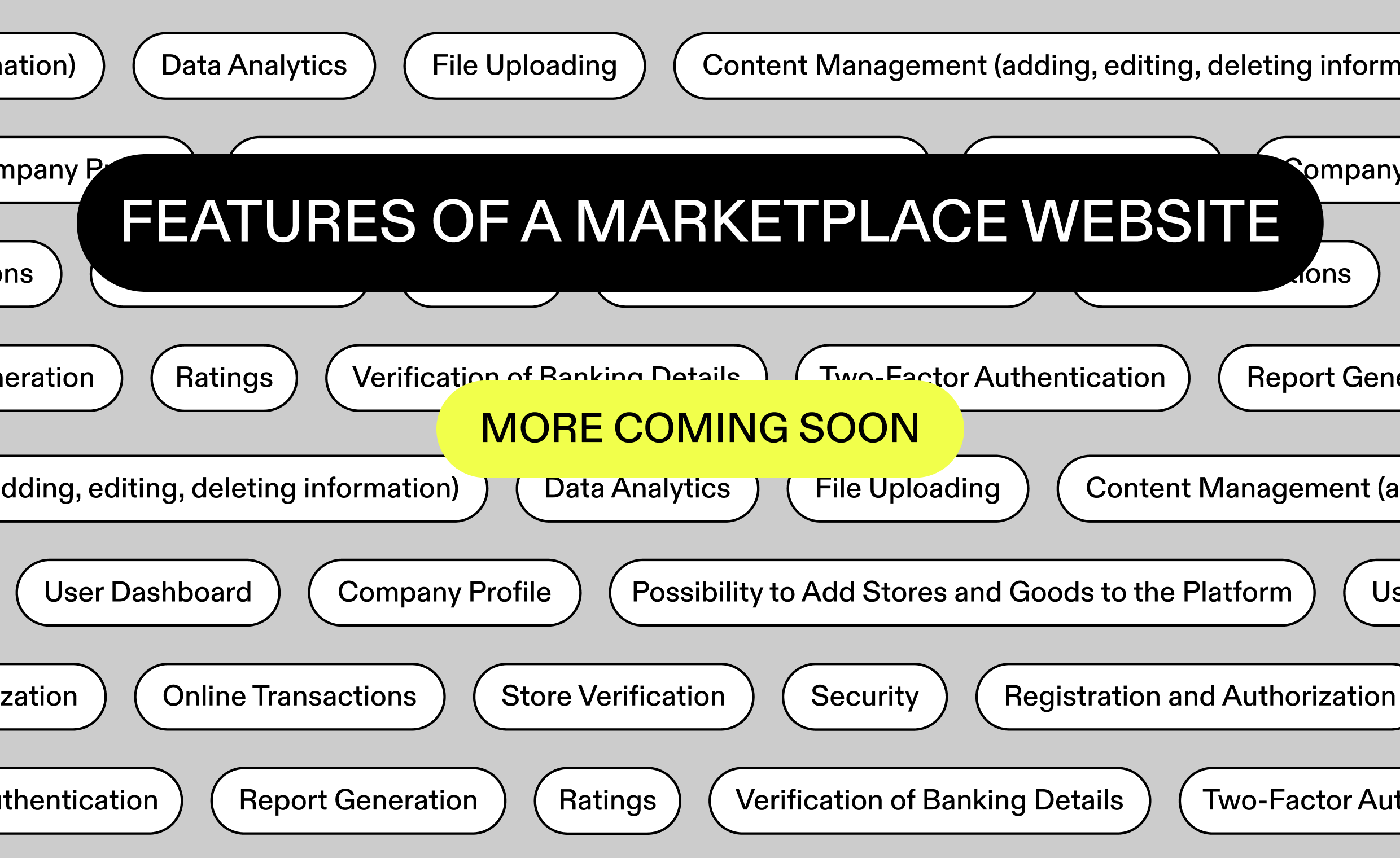
Secondary material marketplaces are online or brick-and-mortar forums that facilitate the exchange of secondary raw materials. These marketplaces allow secondary material suppliers and buyers to find each other on a web-based platform. The concept evolved out of industrial symbiosis thinking and gained traction with the arrival of the internet in the 1990s.